What Is Melasma? Causes, Symptoms, and Treatment Options Explained
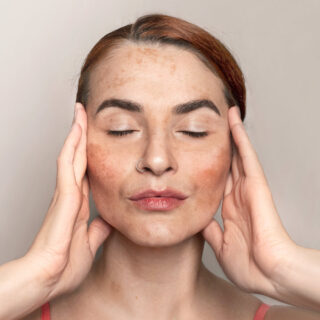
Different types of hyperpigmentation can appear on the face, each with its own cause and complexity. Some dark spots, such as those caused by sun exposure or aging, can be relatively simple to manage with consistent skincare or treatments. Others are far more persistent and require a deeper understanding of what’s happening beneath the skin’s surface.
Melasma is one of the most challenging forms of facial pigmentation to treat because it is influenced by multiple factors. At VITAHL Medical Aesthetics in Denver, CO, we have the expertise to diagnose and treat melasma using several different methods that can help improve your skin’s tone and texture. We are here to help you better understand this condition and identify the most effective approach for your skin.
What Is Melasma?
Melasma is a skin condition that causes uneven patches of brown or gray-brown discoloration on the cheeks, forehead, or upper lip. Melasma on the face is the most common, where pigmentation forms in symmetrical patterns that can gradually darken over time. This condition is sometimes called the pregnancy mask (chloasma) because it often develops during hormonal changes, such as pregnancy or birth control use. While melasma is not dangerous to your health, it can be persistent and cause aesthetic concerns.
Melasma vs. Hyperpigmentation
Although melasma and hyperpigmentation both involve excess pigment in the skin, they develop for different reasons and often require different treatment approaches.
Hyperpigmentation can result from acne, sun exposure, or inflammation, while melasma is more influenced by hormonal activity. When comparing sunspots to melasma, consider their pattern and when they appear. Sunspots are typically small and isolated, and are caused by UV exposure, whereas melasma is larger and more diffuse. Both conditions cause darker pigmentation on the face, but their behavior and response to treatment vary, and diagnosis is important for proper care.
Melasma Causes and Contributing Factors
Hormonal Influences
Fluctuating hormone levels are among the most common causes of melasma, particularly in women during pregnancy. Melasma affects 15% to 50% of pregnant women, but using birth control or undergoing hormone therapy also increases the risk. Changes in estrogen and progesterone can stimulate excess pigment production and lead to these visible patches of discoloration. Hormonal influence is often the reason melasma can fade and return, depending on the body’s internal balance.
Sun and Heat Exposure
Exposure to sunlight and heat can activate pigment-producing cells in the skin, worsening existing melasma or triggering new patches. Even brief sun exposure can intensify pigmentation because ultraviolet light encourages melanin production. Heat, whether from outdoor temperatures or saunas, can also stimulate skin inflammation that contributes to the condition. One of the best ways to maintain clear skin between treatments is to use daily sunscreen for melasma and other types of sun protection, like hats.
Genetic Predisposition
Some individuals are naturally more prone to developing melasma because of their genetic background. Those with darker skin tones or a family history of pigment disorders tend to have more active melanocytes, the cells responsible for pigment production. While genetics alone do not cause melasma, they can increase sensitivity to environmental and hormonal factors that make pigmentation more noticeable.
Other Triggers
Certain medications, cosmetic products, or inflammatory skin conditions can contribute to the appearance of melasma. Ingredients that irritate the skin or increase sun sensitivity can make pigmentation worse, particularly when used without proper sun protection. Stress and environmental pollutants may also disrupt skin balance and potentially encourage pigment changes that lead to uneven skin tone.
Symptoms and How to Recognize Melasma
Melasma appears as flat, irregularly shaped patches that develop gradually and deepen with continued exposure to sunlight or heat. The affected areas often have clear borders but may blend subtly into surrounding skin and create more of an uneven tone rather than sharply defined spots. These patches can appear on the cheeks, forehead, nose, and upper lip, and the pigmentation may become more visible during warmer months. Melasma tends to remain stable in location even if its intensity changes, and it may mirror itself on both sides of the face.
Is Melasma a Dangerous Skin Condition?
Melasma is not a dangerous condition, and it does not indicate an underlying disease or skin cancer. It is mostly concerning because of its chronic nature and the frustration it can cause when pigmentation repeatedly returns despite treatment or seasonal changes. Because it is a cosmetic concern rather than a medical one, treatments focus on minimizing pigment activity and preventing recurrence rather than curing it completely.
Why Melasma Is Challenging to Treat
Melasma is a challenging condition to treat because it does not have a permanent cure and can be easily reactivated by triggers like sunlight, heat, and hormonal changes. The pigment responsible for discoloration lies within active skin cells that respond to even minor environmental shifts. A combination of methods is the best way to treat melasma, and improvement requires patience, ongoing care, and a practitioner who understands the condition.
Is Fall the Best Time to Treat Melasma?
Cooler seasons can be used to your advantage when treating hormonal pigmentation and other types of discoloration. Fall and winter provide reduced sun exposure, lower temperatures, and more stable conditions that make professional treatments more effective. Skin tends to recover better when it’s not exposed to direct sunlight or excessive heat, so planning fall treatments will help you maintain your results longer between sessions.
A Comprehensive Approach to Treating Melasma
Treating melasma effectively often requires a multi-faceted approach that addresses both the visible pigment and the underlying triggers that cause it. Combining in-office treatments with medical-grade skincare and strict sun protection can help manage pigment activity more efficiently.
Medical-Grade Skincare
Medical-grade skincare provides a foundation for long-term pigment control and supports in-office treatments. Topical treatments for melasma, such as brightening agents and pigment suppressors, help regulate melanin production and keep discoloration from resurfacing. Antioxidants and botanical extracts can be particularly effective when used under professional supervision. We often recommend Brightening Complex by iS Clinical, a non-irritating formula that targets uneven tone while improving skin clarity.
Chemical Peels
A chemical peel for melasma can exfoliate damaged surface cells, make the skin tone more even, and enhance absorption of pigment-correcting ingredients. These treatments use topical products to remove dull skin while stimulating renewal. We may recommend VI Peel Precision Plus because it targets stubborn pigment while being gentle enough for most skin types. Peels can be performed in a series for cumulative improvement, allowing gradual fading of discoloration without irritating the skin.
Laser Treatments With PICO Genesis
Melasma laser treatments using PICO Genesis are a noninvasive way to break up pigment and restore a more even complexion. We may recommend a series of three to six treatments spaced four to six weeks apart. The PICO laser uses short pulses of energy that target pigment without damaging surrounding skin, and it can be used for a variety of skin tones. There is no downtime when treating melasma with PICO Genesis, so all of your normal routines can continue immediately after each session.
Microneedling for Melasma
Microneedling for melasma stimulates the skin’s repair processes and helps to disperse any excess pigment in the skin. Tiny holes created with the needles on the device encourage collagen production while creating channels that enhance the absorption of pigment-regulating serums. These treatments can be performed on most skin types and are often paired with topical formulations to calm melasma and enhance healing. We use the SkinPen® device for our microneedling treatments.
Lifestyle Changes for Melasma
Hormonal fluctuations, heat, and stress can all contribute to melasma flare-ups. Start by choosing gentle skincare products, avoiding excessive heat exposure, and maintaining a balanced diet to minimize pigment activation. Consistency in skincare routines and awareness of environmental triggers will be important for keeping your melasma stable between treatments.
Combination Therapy for Enhanced Results
Combining different treatment modalities can improve your results for stubborn pigmentation. A series of three VI Peel Precision Plus treatments paired with the precision of PICO Genesis offers both surface renewal and pigment fragmentation and can treat discoloration at multiple levels. This treatment plan enhances the overall clarity and smoothness of your skin and allows each treatment to complement the other’s effects.
Maintenance and Prevention Tips
A simple, effective skincare routine and lifestyle awareness can go a long way in preventing recurrence. Be sure to:
- Use medical-grade brightening products as directed by your provider
- Avoid heat exposure, such as saunas or hot yoga, which can stimulate pigment activity
- Manage hormones and medications under medical supervision if they influence your melasma
- Stick to a regular treatment schedule for optimal and lasting results
- Protect your skin with gentle, non-irritating products
Can I Wear Makeup After My Melasma Treatment?
Makeup can usually be worn the day after most melasma treatments once the skin feels calm and comfortable. Gentle, non-comedogenic formulas are preferred to avoid clogging pores or irritating newly treated skin. Mineral-based makeup often works best because it provides natural coverage without interfering with recovery.
Find Out More About Our Fall Melasma Treatments in Denver, CO
Effective melasma treatment requires medical expertise, advanced technology, and a customized plan that adapts to your skin’s unique needs. At VITAHL Medical Aesthetics, we are a physician-led practice in Denver, CO, that combines medical precision with aesthetic experience for more consistent results. If you are looking for the best treatment for melasma, we use proven, nonsurgical techniques to manage pigment activity and restore clarity to your skin. To schedule a consultation or learn more about your options, call (303) 388-7380, or complete our online form to get started.